
Searching Sanpete County Civil Dockets
Most public case history flows through Utah Courts Xchange, which covers District and Justice Court records entered in CORIS. Pick the court jurisdiction first. Then run your name search. District Court holds civil matters beyond small claims, and Justice Court is where small claims live. Searching a company? The official Xchange instructions say to put its name in the last-name field.
- Read the court and case number from the complaint, notice, or order.
- Choose District or Justice jurisdiction and narrow to Sanpete County.
- Use the case number when known; otherwise enter the last or company name.
- Add case type, court location, and filing or disposition dates.
- Match the caption, roles, type, court, and filing date before opening history.
Xchange bills per search, and documents cost extra. Parties who qualify can track their own supported case free through MyCase. Want to read a Sanpete County civil docket without paying? A courthouse terminal may be open to the public where one is offered. If you need a certified copy or an item the systems lack, Sixth District records staff can help at 435-264-5011 or 6thsanpetedocs@utcourts.gov. A written court-record request works too.
Sanpete Civil Case Types
In Utah Xchange, civil covers a lot of ground. A Sanpete County search can return contracts, debt, liens, property rights, water rights, torts, probate, small claims, or domestic matters. So the case code does real work. It tells you the procedural lane the case sits in, which matters more than the subject words in the caption.
| Code group | Examples | Likely court |
|---|---|---|
| CN, DC, LM | Contract, debt collection, lien or mortgage foreclosure | District Court |
| PR, WA, WR | Property rights, water rights, writs | District Court |
| TA, TI, MM, PL | Automobile, intentional, malpractice, premises torts | District Court |
| SC | Small claims | Justice Court |
The small-claims limit appears in more than one official spot. The Xchange code reference and a current court form show different figures. Ask the receiving justice court for the current amount rather than trusting the older code page.
Inside a Sanpete County Civil Docket
Open a Sanpete County civil docket and you'll meet the caption first. The case header follows. Then events march in date order. You might see the filing date, the court and its location, party roles, attorneys, and pleadings. Hearings, minute entries, motions, orders, judgment, disposition, document links, and accounting may appear where any applies. Clicking a case number opens the history itself. That click is not a document download.
| Caption and number | The case style plus its identifying court number |
|---|---|
| Party roles | PLA/DEF or PET/RES identify procedural positions |
| Events | Dated filings, service, hearings, motions, and orders |
| Judgment | Default, stipulated, summary, trial, or other recorded result |
| Documents | Public purchase links where electronic access exists |
District documents filed since July 1, 2010 may be offered electronically, subject to case type, privacy, and rollout limits. A missing image does not mean no pleading was filed.
Sanpete Civil Caption Codes
Civil captions in Sanpete County lean on short party codes. The codes say nothing about who will win. They carry no verdict on whether a claim is true. Their job is procedural. They mark each participant's role at that stage of the case.
- PLA and DEF
- Plaintiff and defendant in a conventional civil action.
- PET and RES
- Petitioner and respondent in a petition-based matter.
- INT
- An intervenor who entered an existing case.
- DBA
- A party doing business under another name.
- GAR and GRD
- Garnishee and garnishee defendant in collection proceedings.
- CON and GCN
- Conservator, or guardian and conservator.
The official Xchange party-type list spells out the fuller inventory. Read any code next to the caption and the current event, since a person's role can shift across related matters.
Civil Case Types on the Docket
Sixth District Court in Manti is Sanpete County's general-jurisdiction civil venue. It holds major contract, tort, property, probate, and domestic cases. Small claims and other limited civil authority belong to Sanpete County Justice Court. Municipal courts keep their narrow local jurisdiction. Do not mistake one for the district civil clerk. A lien or foreclosure case history is a court record, plain and simple. Property ownership, assessment, tax, and recorder data live with other county offices. Sanpete County Clerk Linda Christiansen handles county administrative records and GRAMA requests. She does not handle Sixth District civil case files. Judgment, disposition, and satisfaction are distinct events too. A summary, default, stipulated, or trial judgment records a type of court result. A later satisfaction entry shows whether the obligation was met. Guess from an account balance alone and you can go wrong. Open the dated Sanpete County civil history. Read the public order when one is available.
Sanpete District Versus Small Claims
Pick the wrong court and your Sanpete County civil docket search can come up empty. Civil cases with wider stakes belong to District Court. Small claims go to Justice Court instead. Xchange covers both, though, so a hit still has to be matched against the stated venue, whether that is the Manti district location, the county justice court, or another court named in the entry.
| Point | District civil | Justice small claims |
|---|---|---|
| Scope | General civil, probate, property, domestic | Small claims |
| Sanpete contact | 80 N. Main, Manti; 435-264-5011 | 160 N. Main #301; 435-835-2103 |
| Search | Xchange District | Xchange Justice |
Paper filings and Xchange do not always agree. When they clash, take the question straight to the court named on the case. Cases also travel. A judgment, appeal, transfer, or removal can push the later record into a different system than where it began.
Civil Docket Settings and Hearings
A filing entry and a court setting are not the same thing. The filing shows the court received a pleading or paper. The setting puts a hearing on the calendar. Motion hearings, status conferences, trials, and other settings can all be continued or reset later. Weigh the latest proceeding against the Utah calendar. Check any written notice you received too.
Case history stretches back years. The statewide calendar only shows a two-week window that updates daily. A missing row may just mean the hearing falls outside that span. When a hearing is close, follow the Sanpete County court date process. Call the clerk if a notice conflicts with what the public display shows.
Sanpete Civil Copy Routes
The Utah CORIS access page documents free courthouse and law-library viewing.
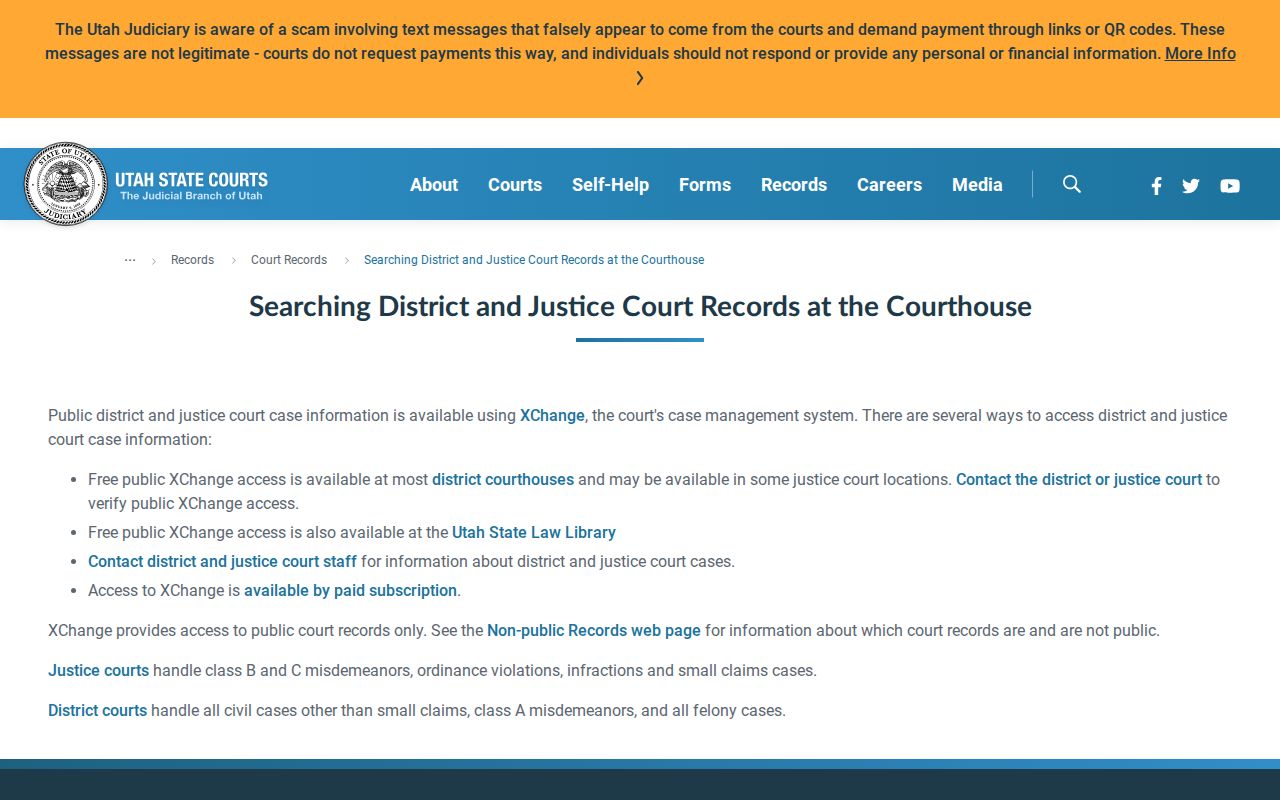
This channel works when paid remote access does not fit. The request procedure spells out inspection, copies, timing, and fees.
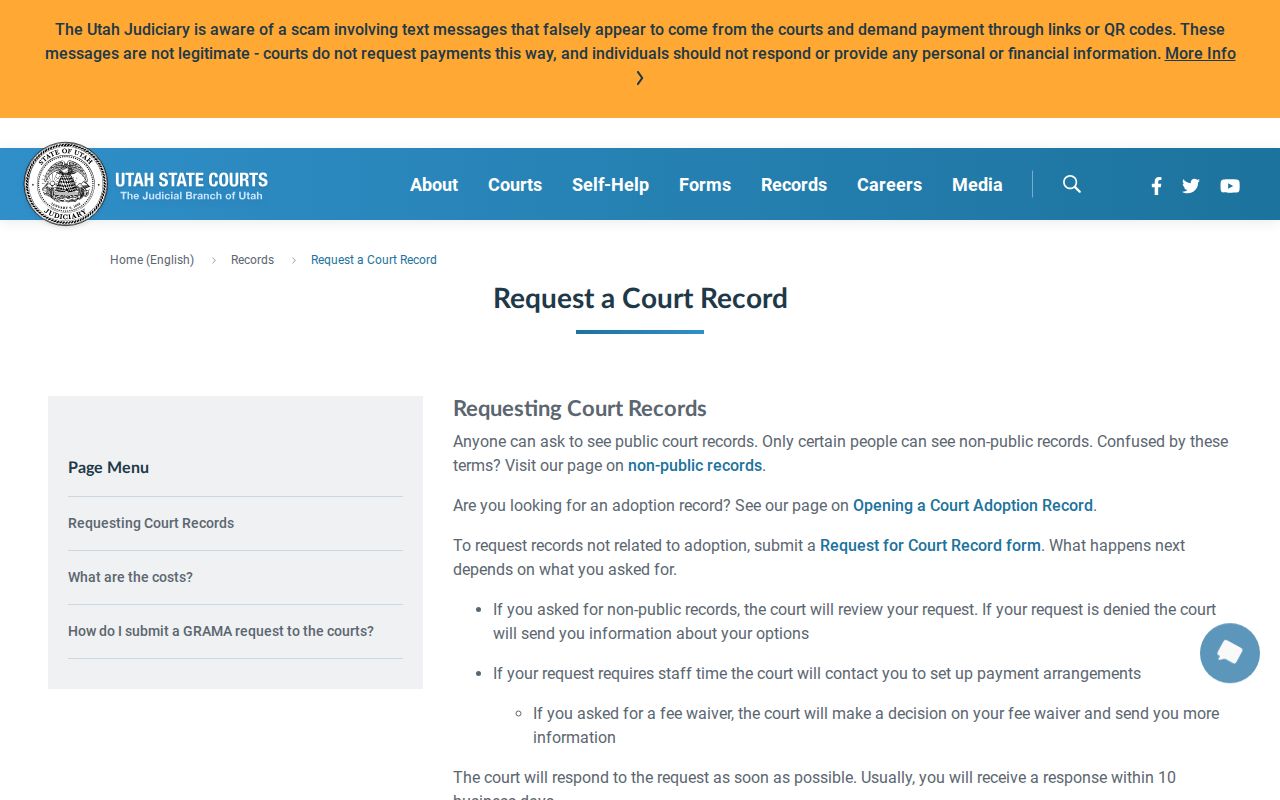
Describe the civil file specifically so staff can find it. The recording request page covers the separate audio route.
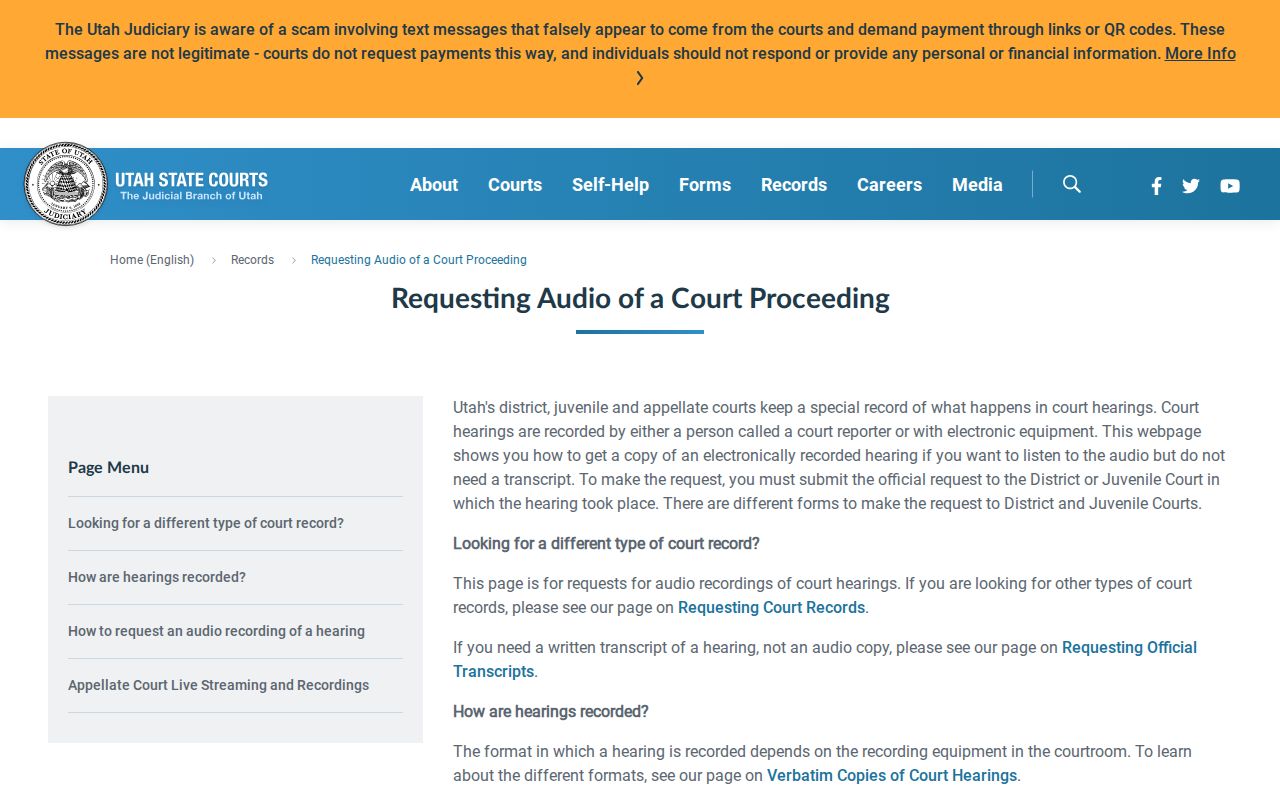
A hearing recording is not a written transcript or certified judgment.
Sanpete State and Federal Civil Lines
Federal civil and bankruptcy matters run through PACER, not Utah Xchange. The District of Utah coverage page presents the federal search system.
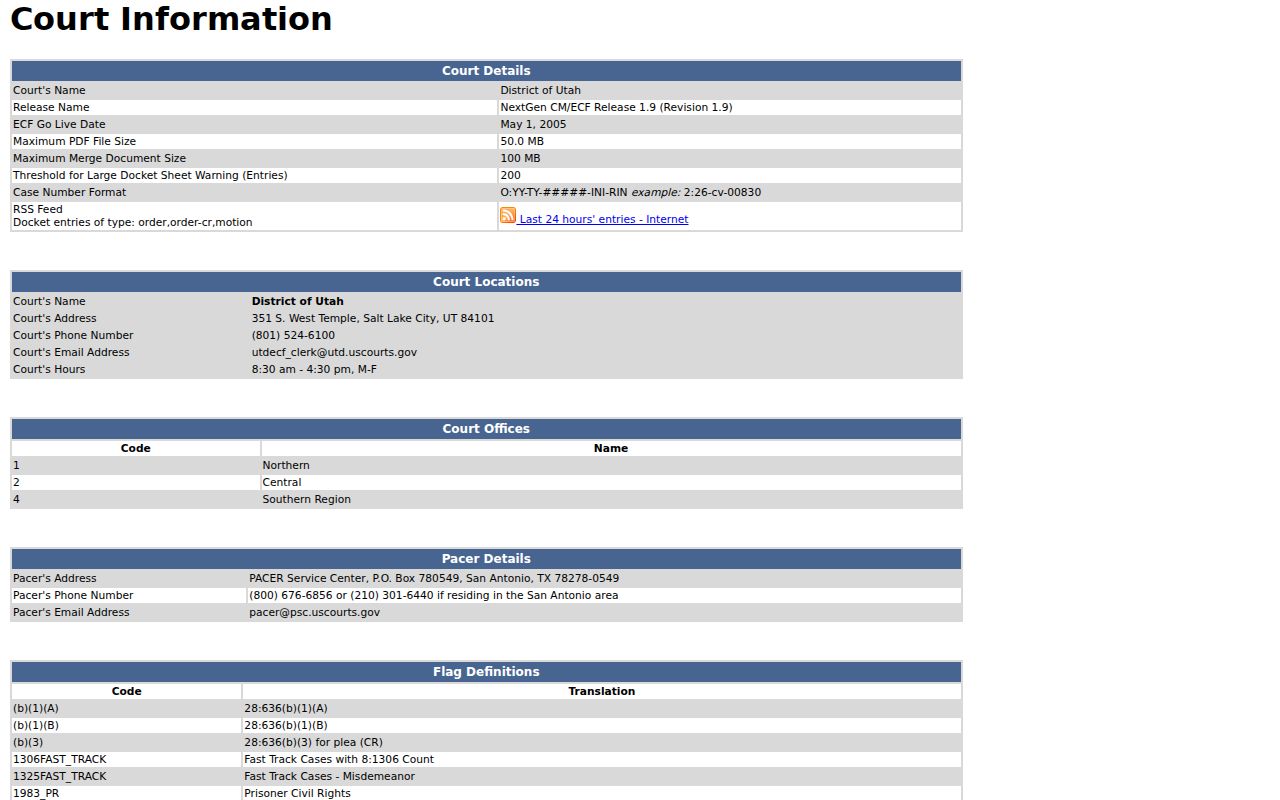
Federal case numbers and accounts sit apart from state case history. The federal fee schedule describes PACER, copies, and certification.
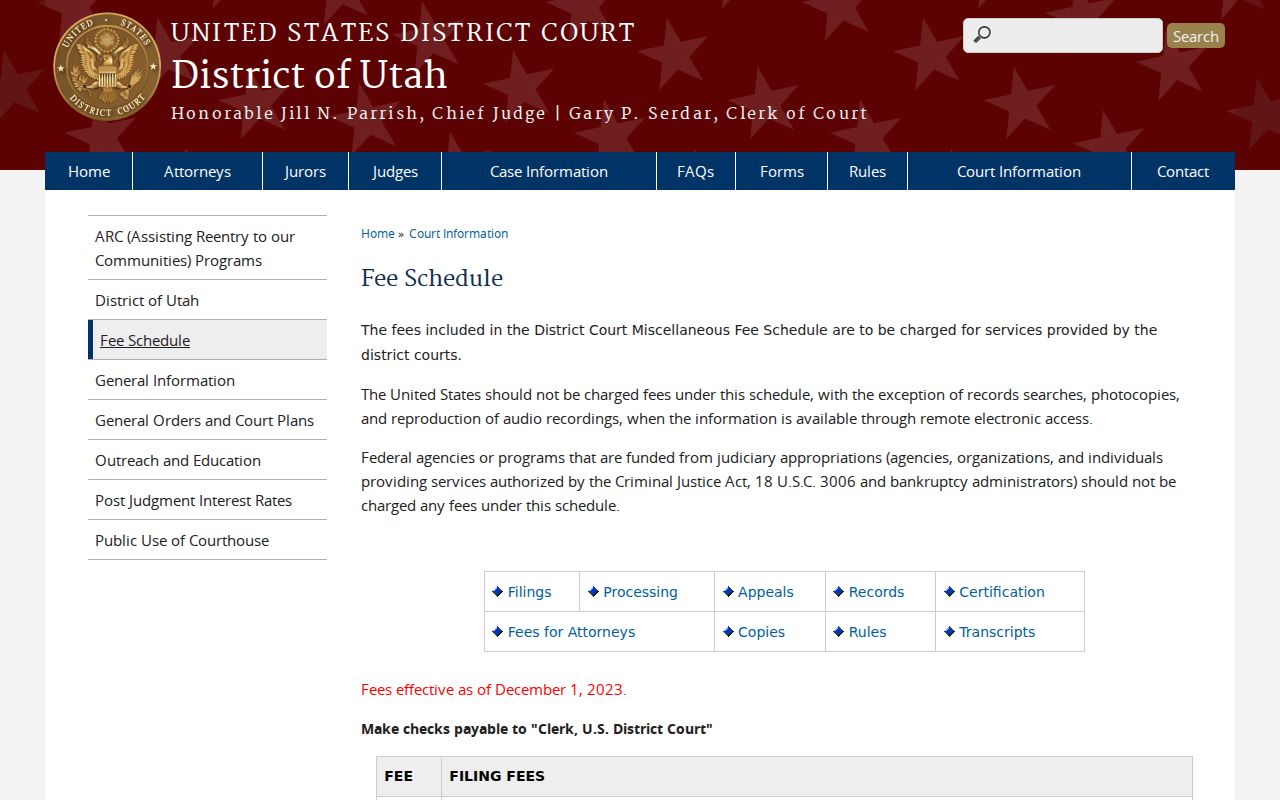
Utah state courts set their own copy fees. Those federal prices do not apply here. The Utah Bankruptcy Court access page spells out PACER, the public computer at the courthouse, phone requests, and a voice-response system.
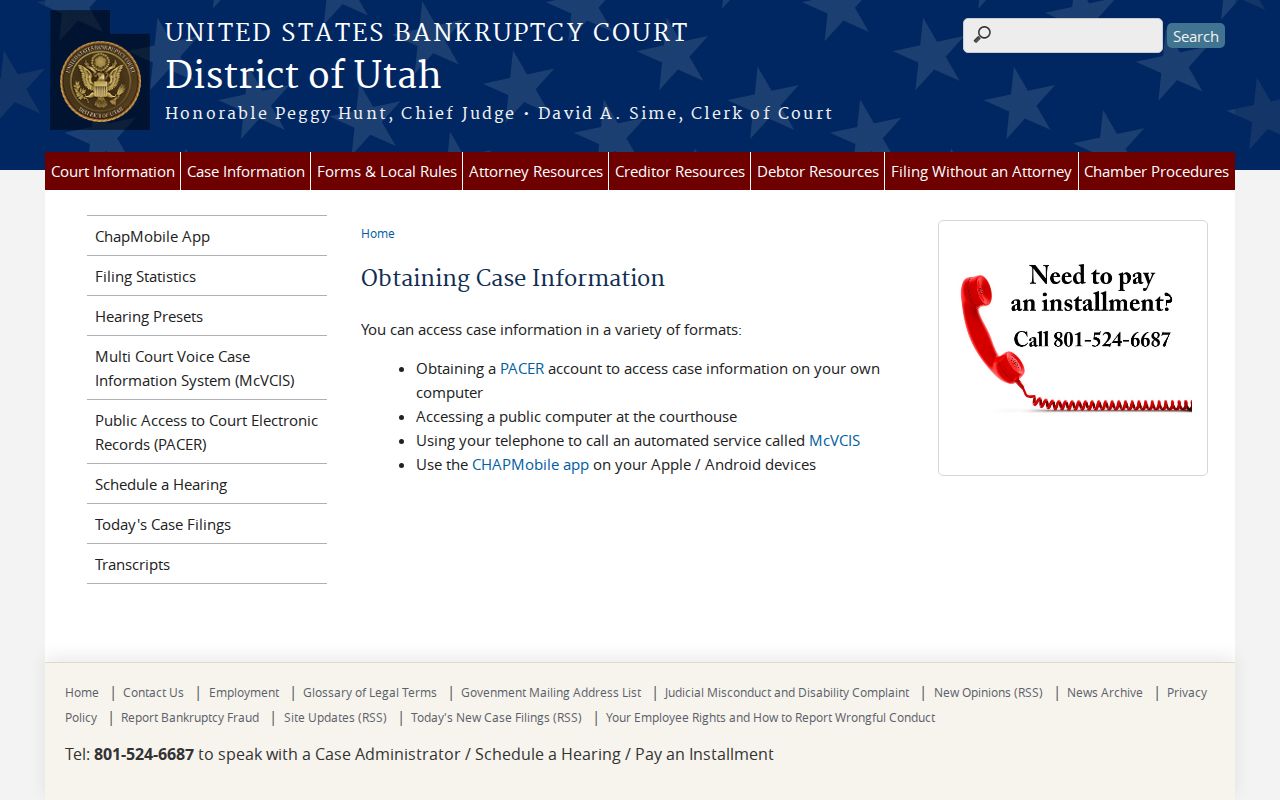
Bankruptcy stays federal, even when a Sanpete County resident is the party involved. Some documents never leave the sealed file. The restricted federal document page names the sealed and restricted categories a docket search will not return.
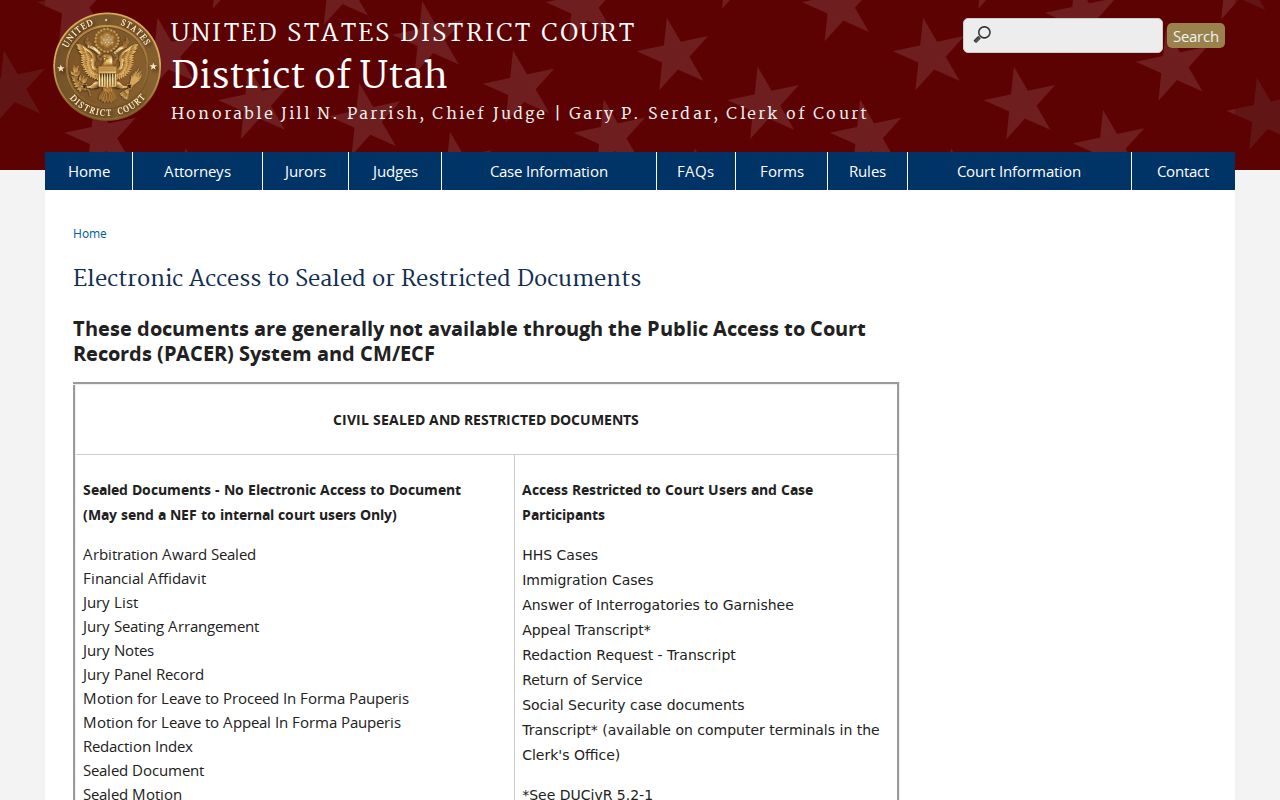
Federal restrictions must not be confused with Utah court classifications.
Civil Docket Access Rules
Utah treats its court records as open by default. A rule or a judge's order is what closes one. Civil privacy works in layers, though. Domestic cases, guardianships, and protection orders can carry private classifications that hide parts of the docket. Public-hearing minutes and most judgments, orders, decrees, or letters stay public unless an order says otherwise. That split matters. Read a civil docket and you may wonder why some entries show and others do not.
Current access framework: UCJA Rule 4-202.02 classifies records, Rule 4-202.03 identifies access rights, and Rule 4-202.04 governs requests.
The classification page displays the public, private, and sealed framework.
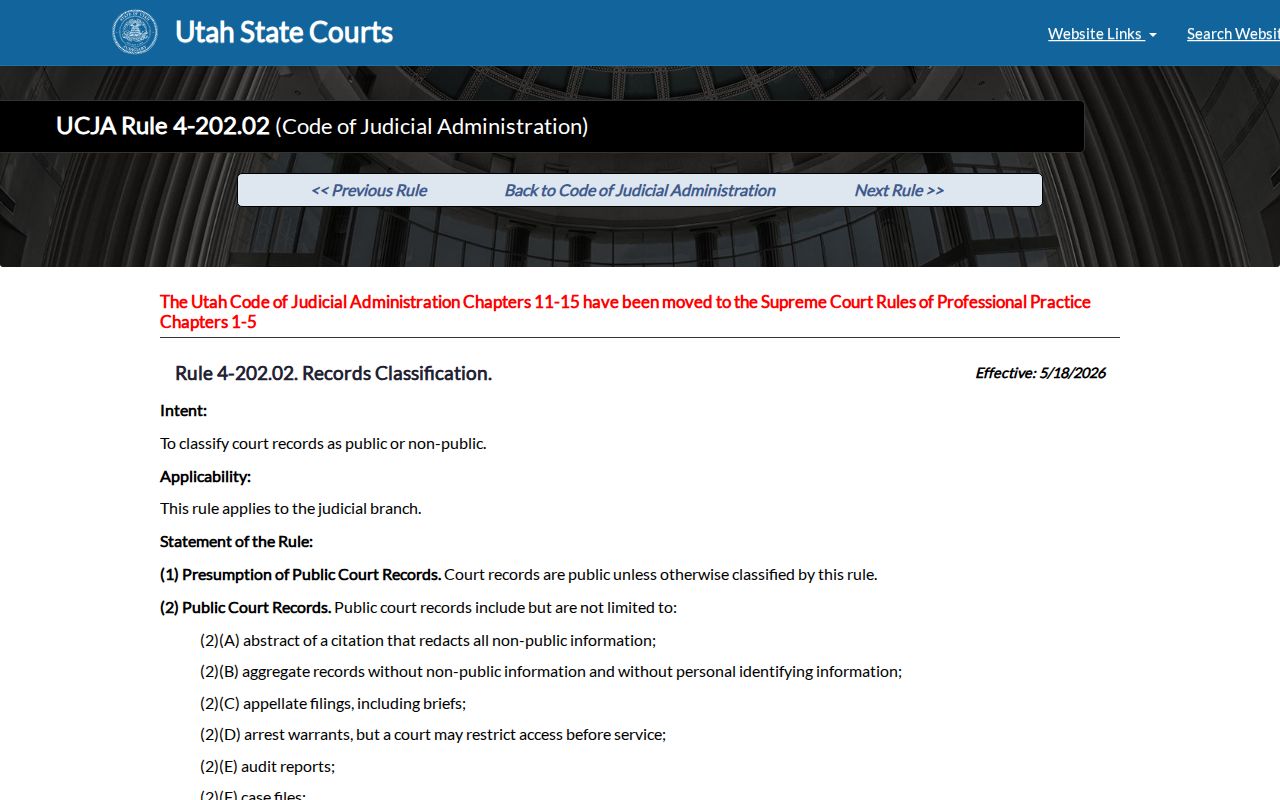
No blanket answer covers every filing. Each record and each order stands on its own classification. The access rule lays out who may request each class of court record.
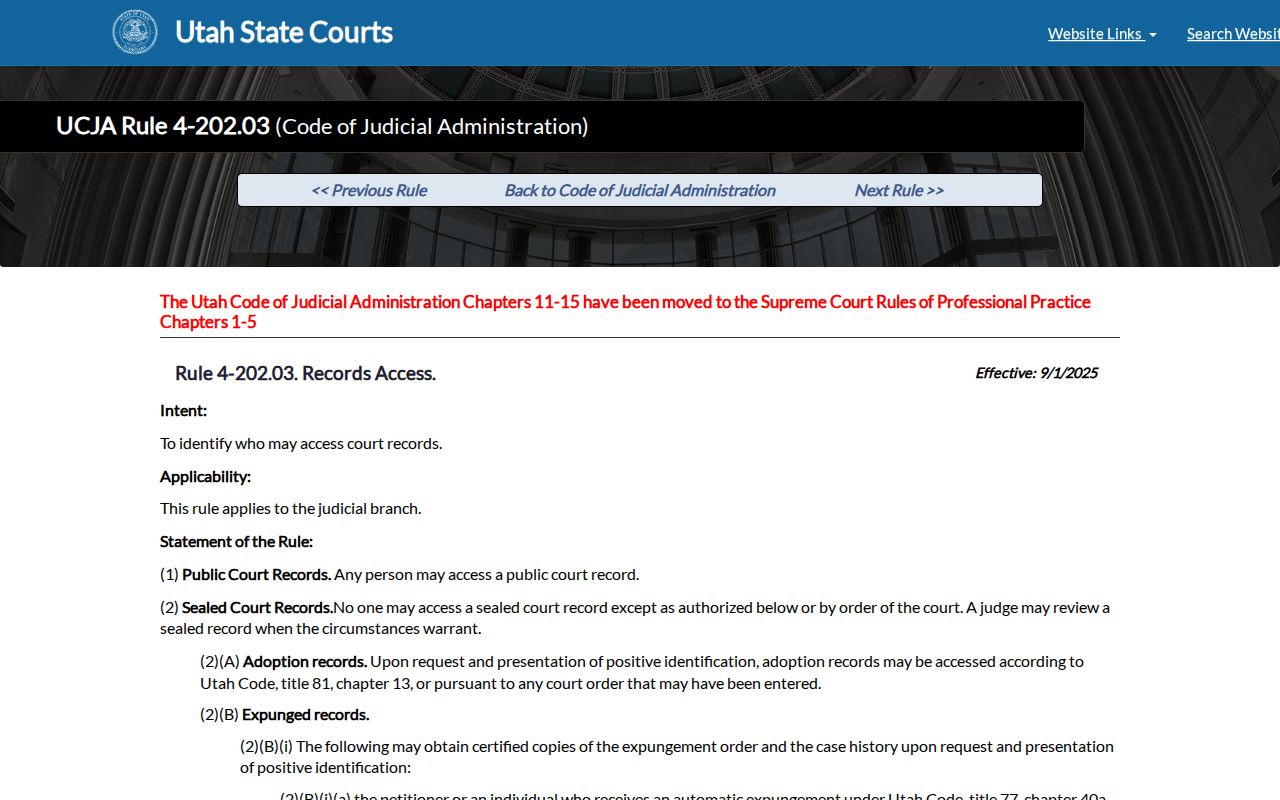
Searching the docket over and over will never open a record classified as private. The written-request rule is the formal route the court recognizes.
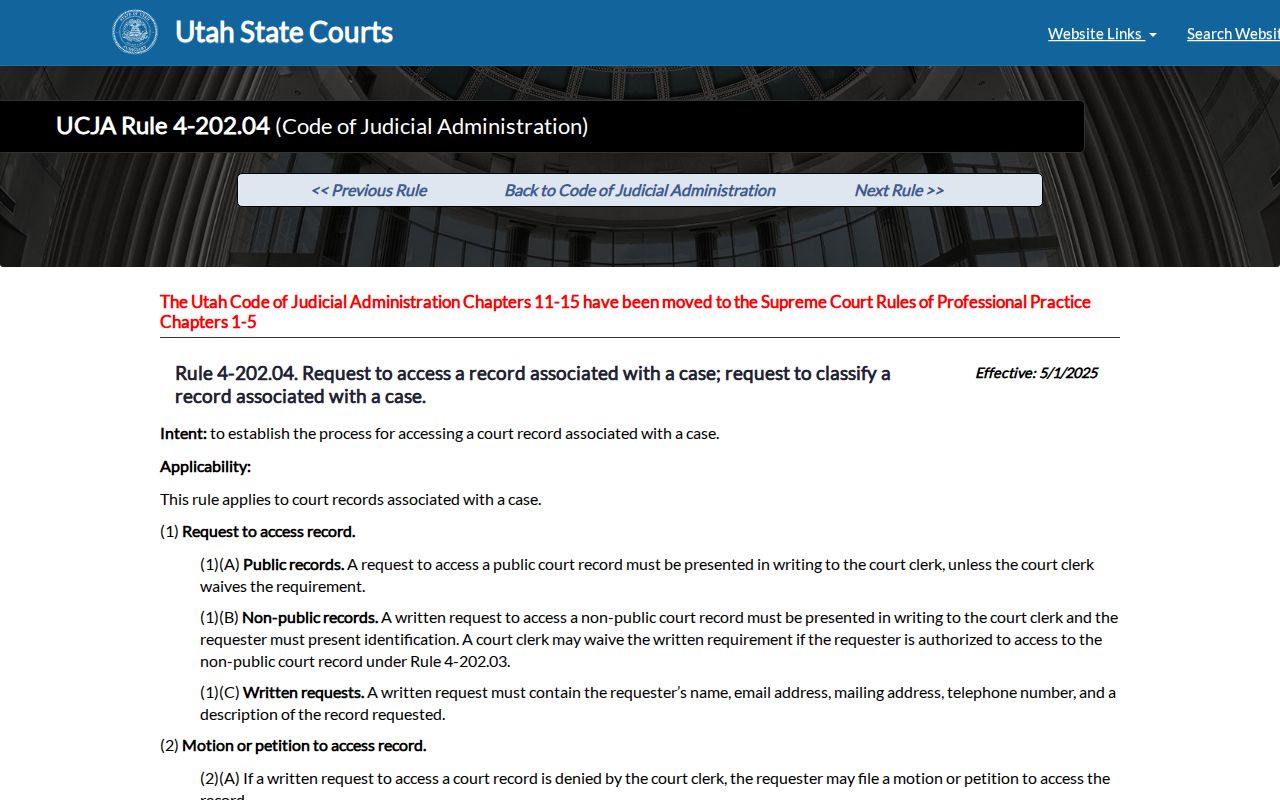
State court requests and county GRAMA requests go to different custodians.
Sanpete Civil Payment Cautions
A docket's accounting lines tell you what was assessed, paid, or still due, nothing more. The full legal outcome lives elsewhere. The Utah ePayments route shows how case and citation numbers must match before money moves.
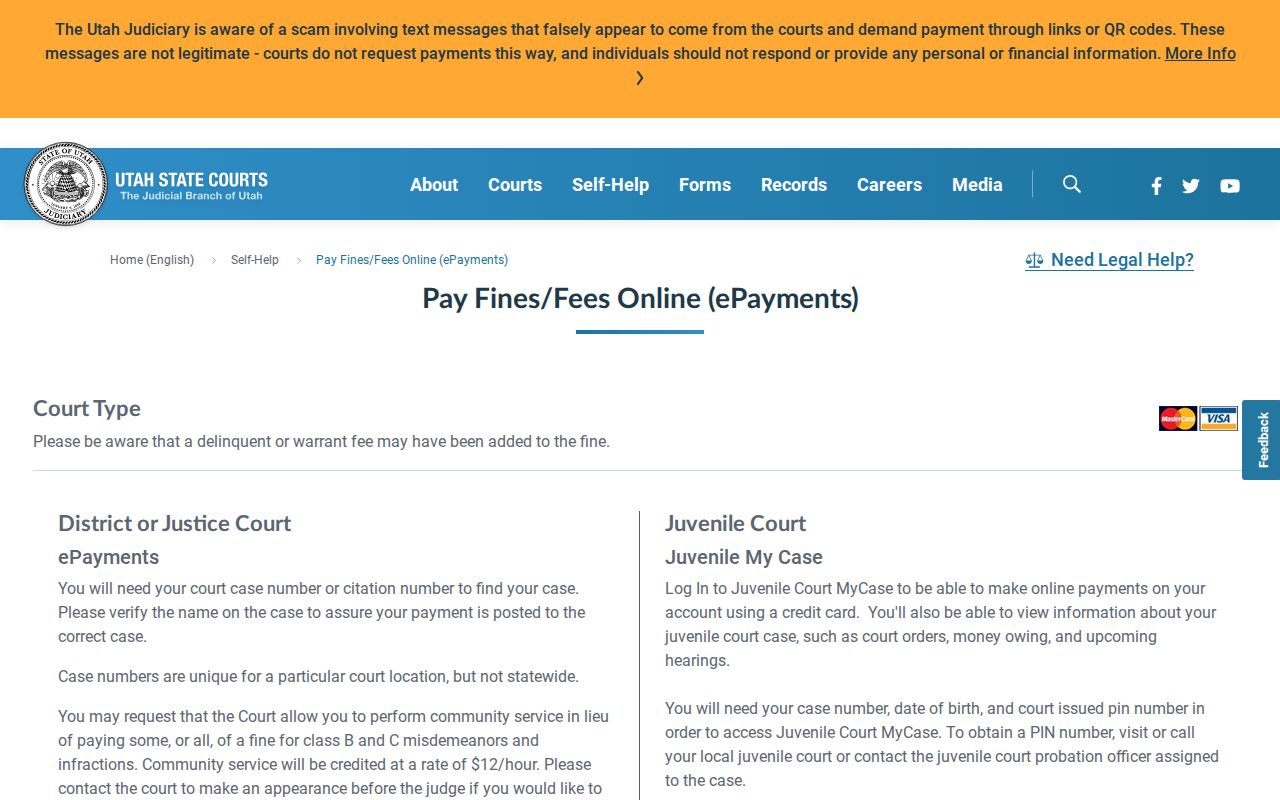
A payment screen never replaces the judgment or satisfaction entry on the docket. That entry is the real record. The Utah citation information page is a good reminder that traffic and civil case lanes should stay separate.
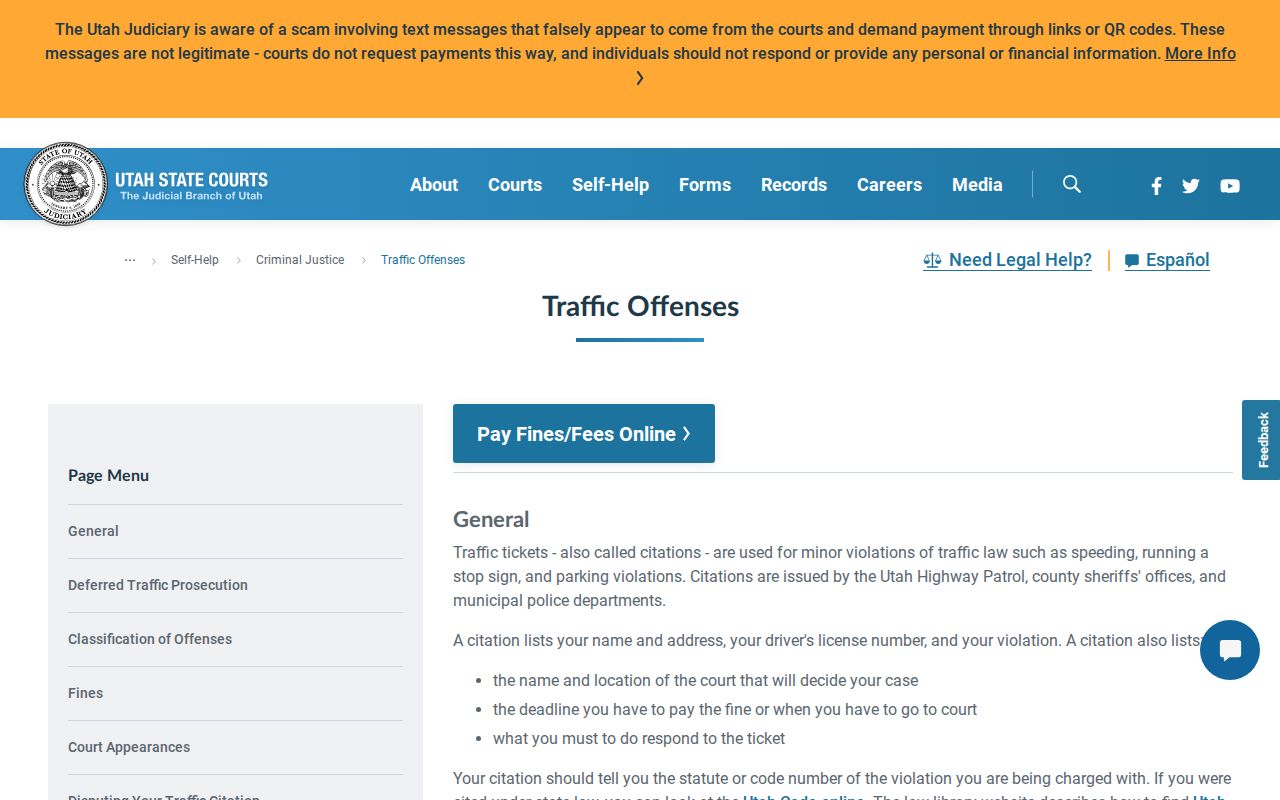
Read the civil case code instead of guessing from a payment field. The deferred traffic page covers a traffic-court process that has no place in a civil judgment search.
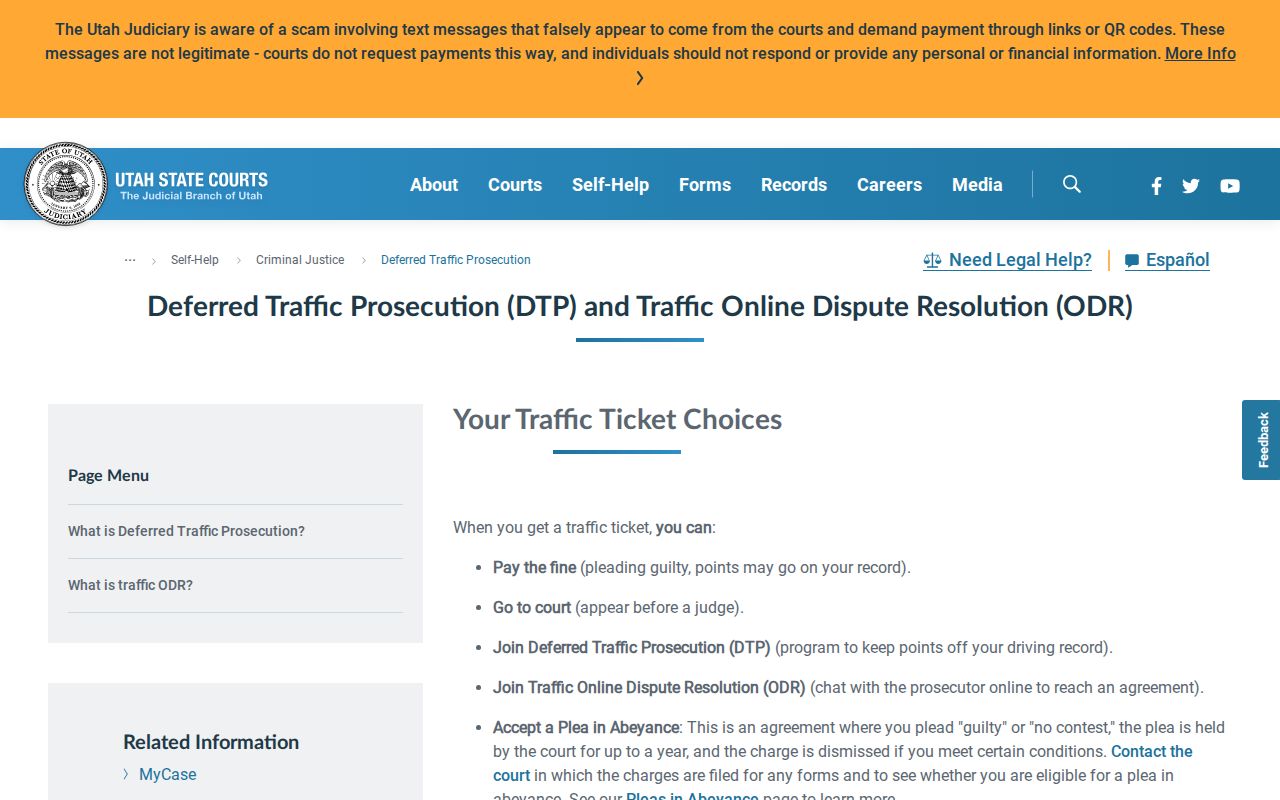
Keeping case families separate prevents a civil result from being misread.